Search
Elephant ear or wild taro (Colocasia esculenta) is a major invasive weed in Southeastern United States. Taro invades several parishes in Louisiana and is present in most wetlands in Baton Rouge Parish. In the first week of October 2020, field biologists and conservationists found large patches of taro dying at the Bluebonnet Swamp in Baton Rouge. Field observations suggest that this die-back is associated with the presence of plant hoppper (Tarophagus colocasiae) and a plant virus. The implications of the die-back on the long term management of taro are unknown. Our goal is to document the extent of the die-back and the distribution of the planthopper and virus in Southeastern United States.

Taro showing die-back symptoms, note sparse growth and bended petioles. Baton Rouge, LA.

Taro showing signs of die-back, note bended petioles and yellow leaves.As the damage increases, rotten leaves can be seen. Baton Rouge, Louisiana.

Taro showing bended petioles and yellowing leaves. Note brown scars or leaf exudates along the petiole.

Base of taro showing decay and insects.
Die-back of taro in Baton Rouge has been associated with outbreaks of the planthopper, Tarophagus colocasiae (Delphacidae). This planthopper is native from Asia where is considered a pest of taro. The timing or method of its arrival to United States are unknown, but it was reported in Florida in 2015. Previous studies and field observations in Louisiana suggest that Tarophagus colocasiae feeds only on taro. However, we do not know whether commercial or ornamental varieties of taro are susceptible to this planthopper.

Brachypterus (reduced wings) adult of Tarophagus colocasiae. Depending
of the season or the plant quality adults might not develop functional wings.

Adult of Tarophagus colocasiae, note fully developed wings. Picture by John Hartgerink.

Female (left) and male (right) of Tarophagus colocasiae. Note slight difference in size and the shape of the end of the abdomen.

Nymphs of Tarophagus colocasiae aggregated on the underside of the leaf. Note elongated shape of the nymphs and variation on life stages.

Large infestations of Tarophagus colocasiae. Note the aggregation along the veins
and severe damage on the petiole.This damage on the petiole leads to the bending of the leaves.

Infestation of Tarophagus colocasiae on the underside of the leaves. Baton Rouge, Louisiana.

Leaf showing severe damage and large aggregation of Tarophagus colocasiae. We often see the insect standing (probably feeding) along the leaf veins and petioles. This picture also shows the brown exudates in the petiole. As the planthopper damages the petioles tissue by feeding or laying eggs, the plant produces exudates that later hardened forming those distinctive scars.

Close up of a petiole of taro showing the exudates. Note density of scars.
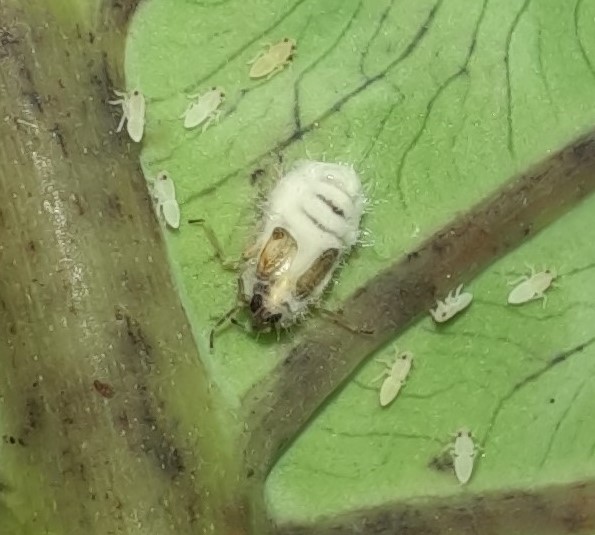
Nymph of Tarophagus colocasiae showing fungal structures (white). This fungus is probably Beauveria sp.,
which are known to attack insects. We do not know the impact of the fungus on the population of the planthopper.
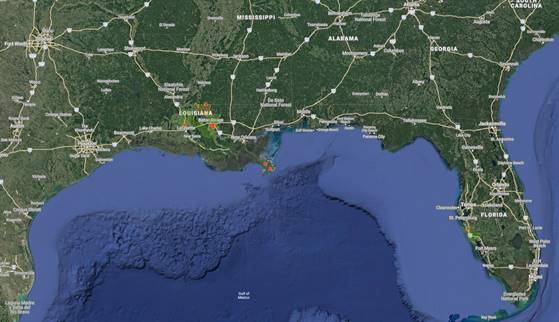
As October 21, 2020, Tarophagus colocasiae has been reported in Louisiana and Florida (https://www.inaturalist.org/taxa/1104989-Tarophagus-colocasiae). Red squares represent locations where the T. colocasiae is present based on pictures. If you see the planthopper please share a picture on Inaturalist.org.
In addition to the planthopper, taro leaves showed symptoms of pathogens in Baton Rouge. We do not know how wide spread these symptoms occur, but at least we know reports from Florida and several locations in Louisiana.
Taro leaves at the LSU Lakes and Bluebonnet Swamp have shown mosaic symptoms. These symptoms can recognized by a feathering pattern on the leaves. We have identified at least one virus responsible for these symptoms, dasheen mosaic virus, an aphid-transmitted virus of worldwide distribution. However, it is possible that other viruses could be present.
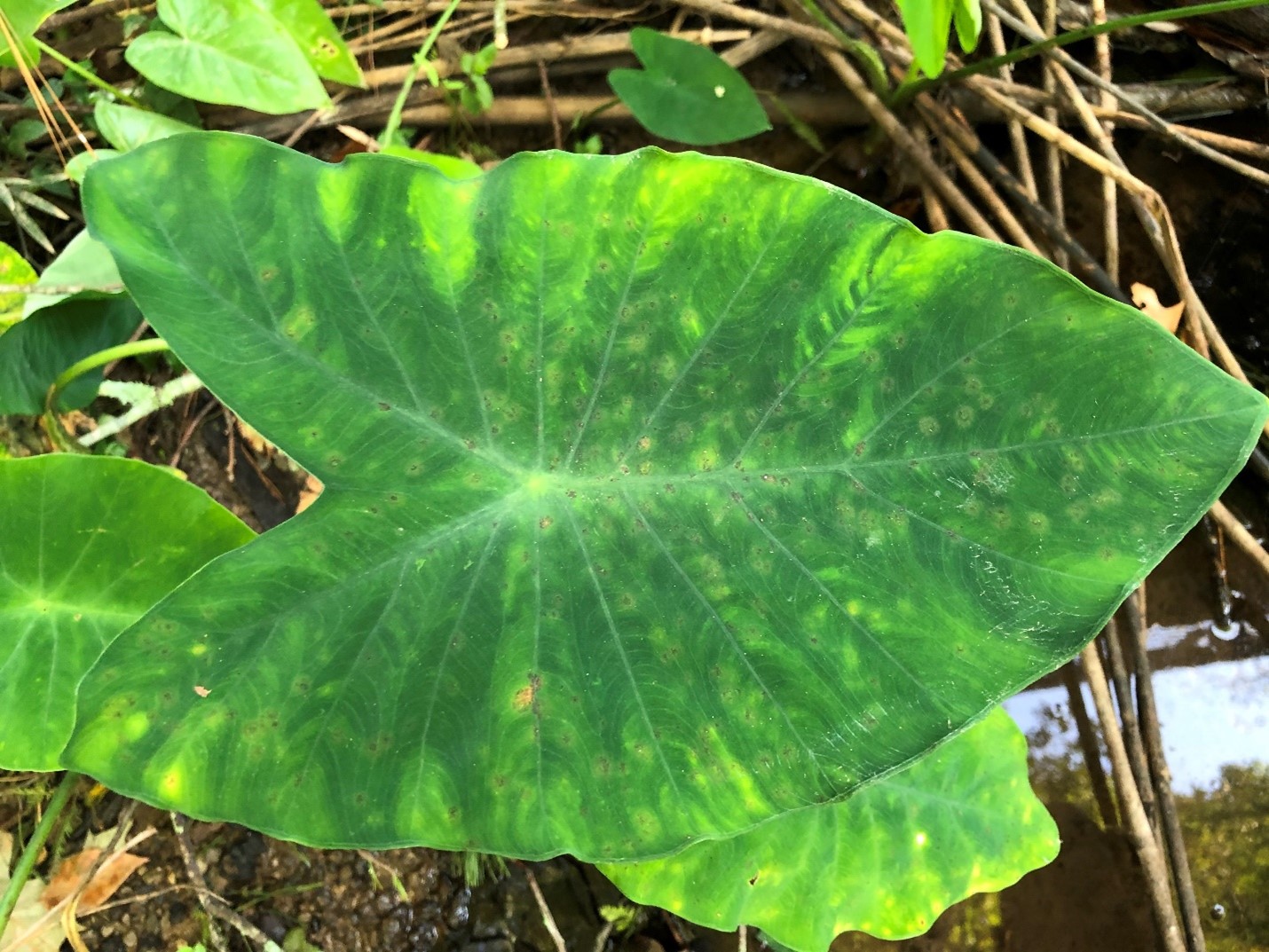
Fig. 1. Taro leaf showing mosaic consisting of feathering patterns
and small brown necrotic lesions.
Taro leaves also have shown brown necrotic circular lesions. The brown necrotic lesions are of unknown nature but likely caused by an unidentified plant pathogen. Based on the foliar symptoms shown in Figures 2-4, one likely candidate is Phytophthora colocasieae, an oomycete known to infect taro in many parts of the world.
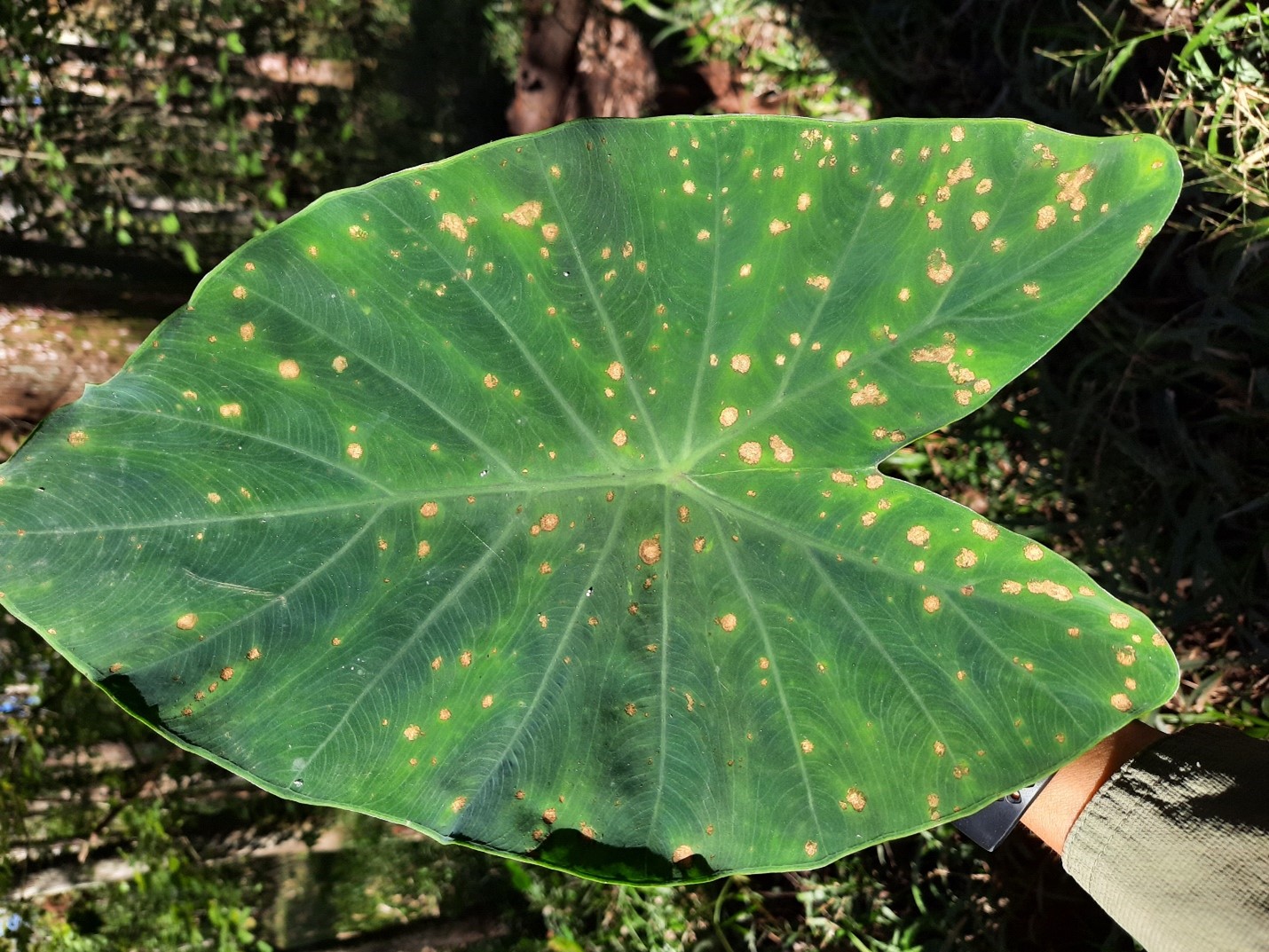
Fig. 2. Brown/necrotic lesions on the adaxial (upper part) of the
taro leaf.
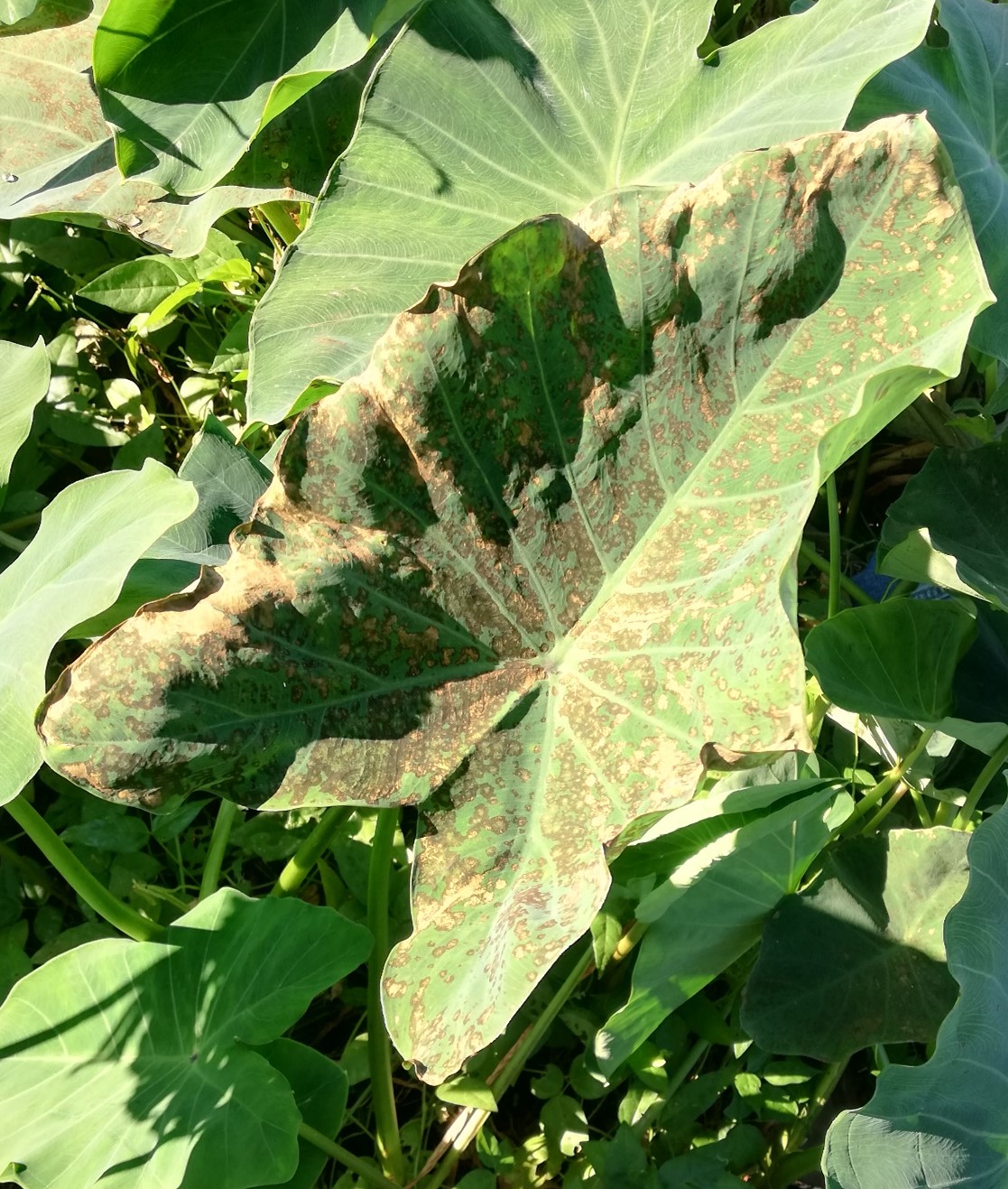
Fig. 3. Coalescing brown/necrotic lesions.
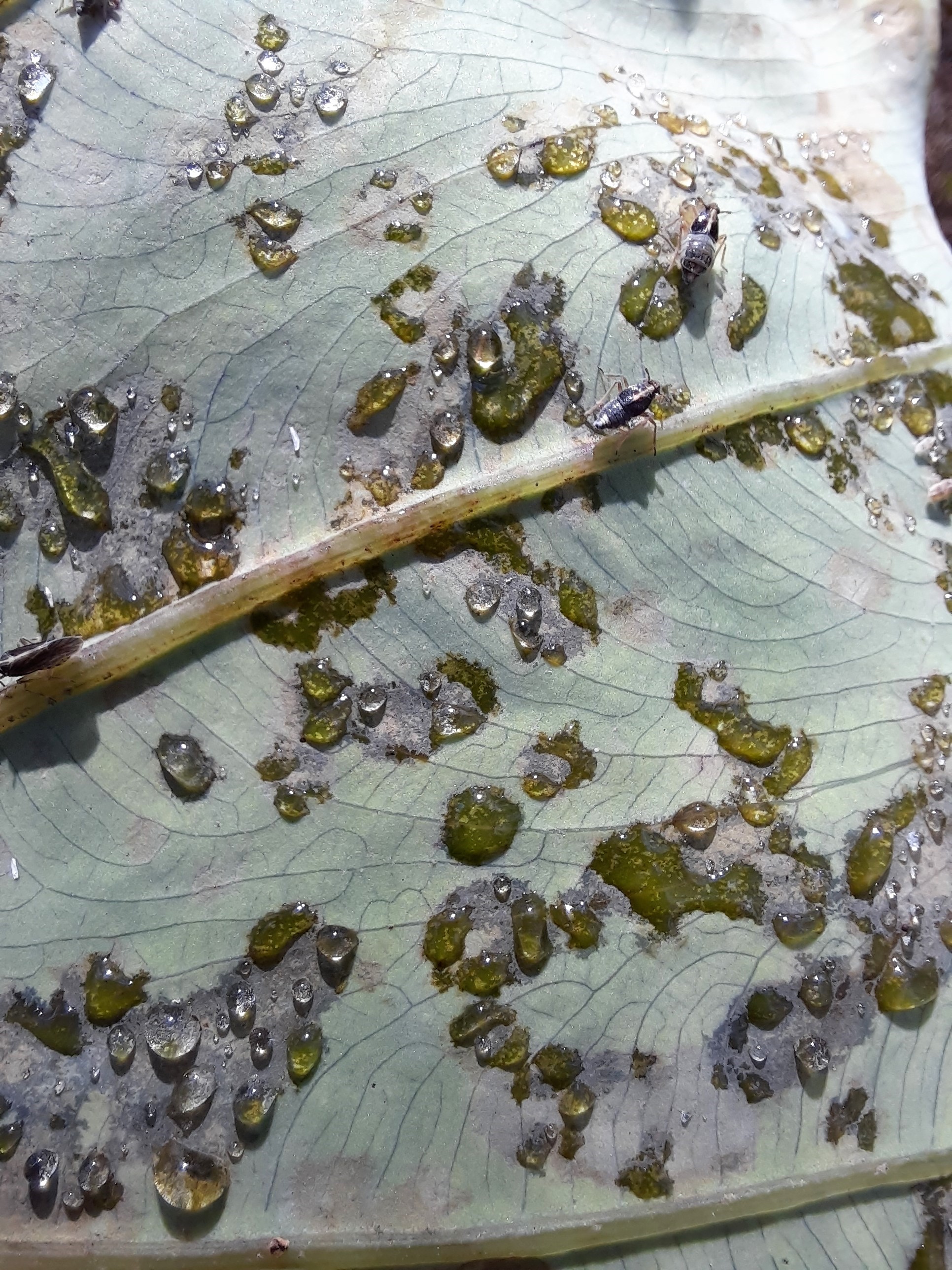
Fig. 4. Brown/necrotic lesions on the abaxial (lower side) of the taro leaves. Notice the yellow plant exudates oozing from the lesions.
Authors: Rodrigo Diaz, Veronica Manrique, Rodrigo Valverde